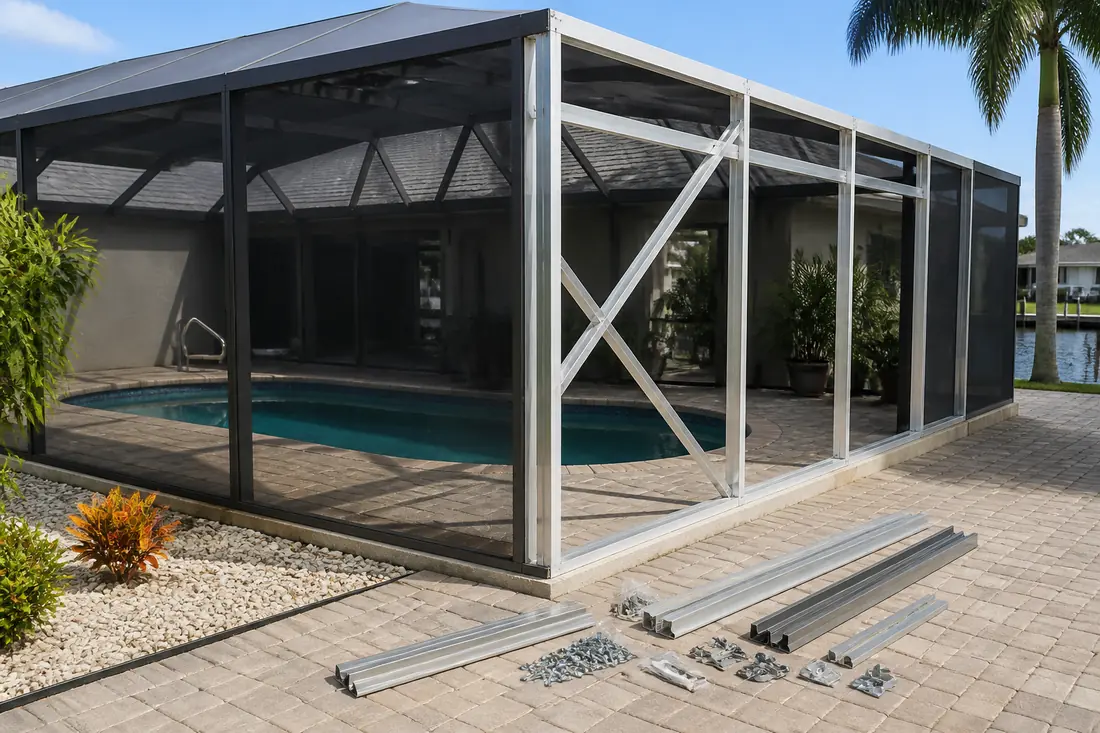
Pool Cage Repair
Repairs to screen, frame and hardware on pool enclosures, from a single torn bay to a structure that has begun to move.
Free estimateDetails
Pool cage repair, rescreening and lanai screens across Collier County.
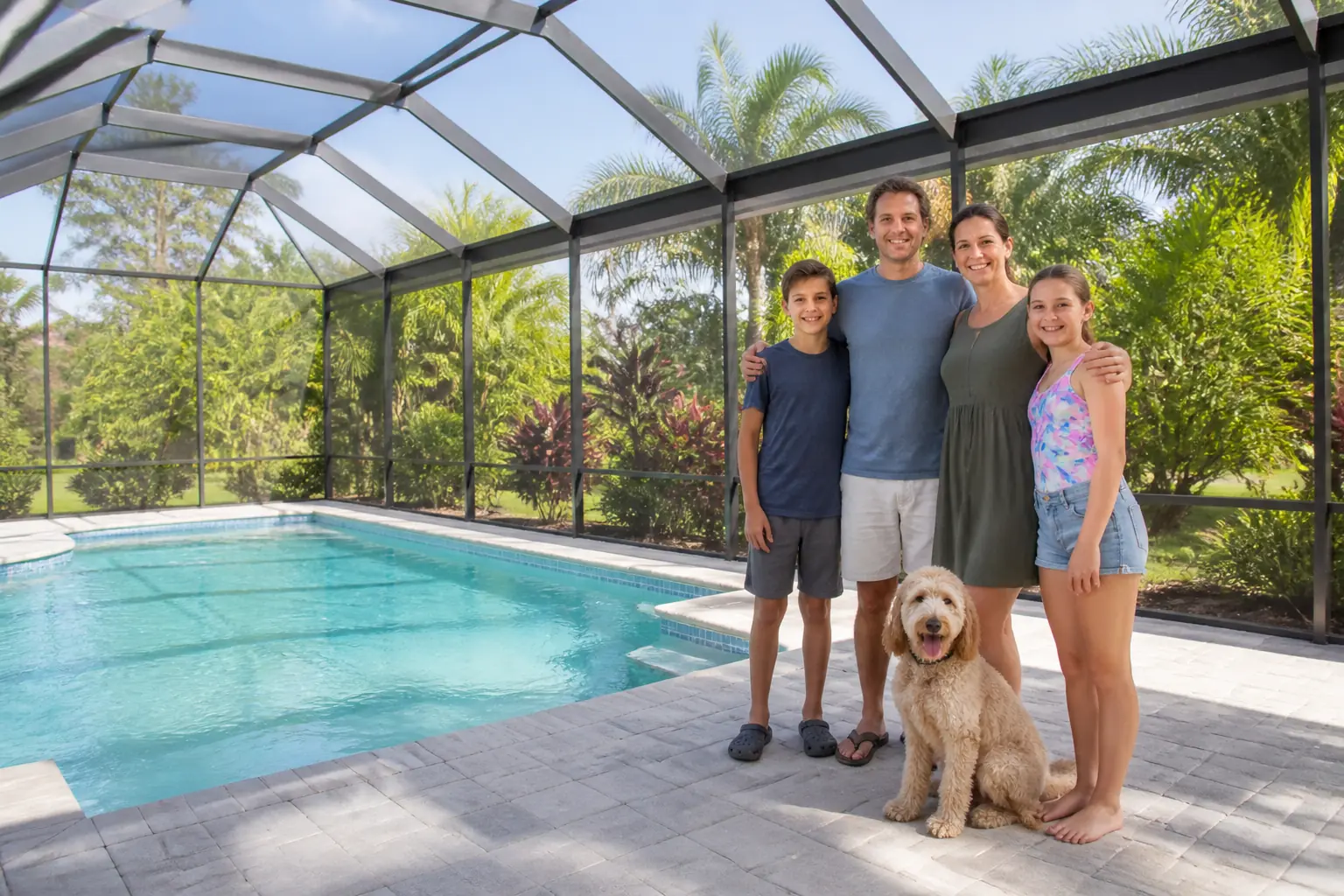
Pool cage repair, rescreening and lanai screens across Collier County.
Mon–Fri 8:00am – 5:00pm · Sat 9:00am – 1:00pm · Sun Closed
Straight through to a person, not a phone tree.
Tell us what is going on and we will get back to you with the next step.
The frame is assessed before the screening is quoted
Screen is the shortest-lived part of a cage and the first thing anyone notices, but a bay that keeps tearing at the same spline is usually reporting on the frame behind it. What the structure needs comes before what the elevation looks like.
Roof and upper bays included, not deferred
The panels that fail first are the ones a ladder will not reach — they take the most sun and the most wind. Doing them while the access is already set up costs less than returning for them as a second visit.
Straight answer on repair versus rebuild
A cage with several bays gone often has an untouched frame and is a repair. A cage with corroded anchors can look fine and not be. Both get said plainly rather than defaulting to the larger job.
Pool cage repair, rescreening and lanai screens across Collier County.
Pool cage problems arrive in a predictable order and are usually cheapest to deal with early. Screen fails first, because mesh is the shortest-lived part of the structure. Then the fasteners, which in a coastal county corrode long before the aluminum they hold. Then the brackets and connections, and only after that the members themselves.
That order matters because the visible problem and the underlying problem are frequently different. A bay that has torn at the spline may have torn because the frame it is fixed to has begun to move, and rescreening it without establishing why treats the symptom. Equally, a cage that looks alarming with several panels gone is often structurally untouched.
The assessment worth having is what the structure needs rather than what the elevation looks like: whether the frame is square, whether fasteners have lost section, whether anchors into the deck and beam are still doing their job, and only then what the screening plan should be.
A pool cage is a larger version of the same job with one significant difference: height. The upper bays and the roof panels are where mesh fails first, because they take the most sun and the most wind, and they are the panels that cannot be reached from a ladder leaned against the frame.
Access is therefore part of the work rather than an afterthought. It also affects sequencing — it is normally cheaper to do the high panels while the access is set up than to return for them later, which is worth knowing when deciding how much of a cage to do at once.
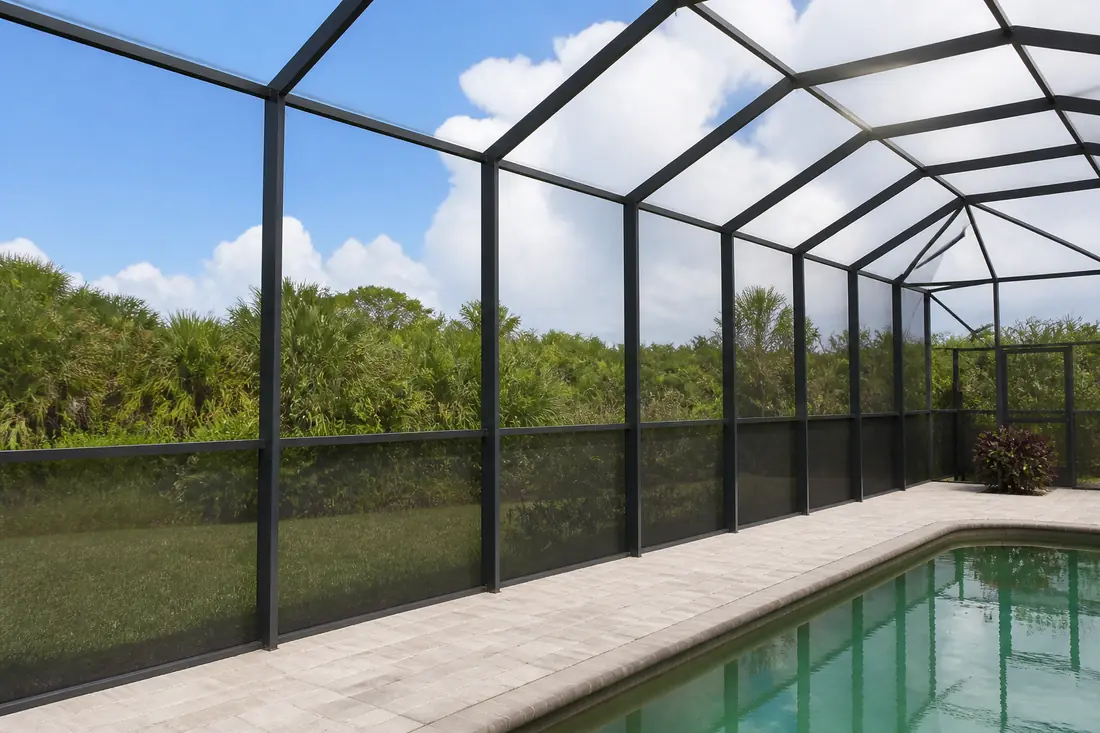
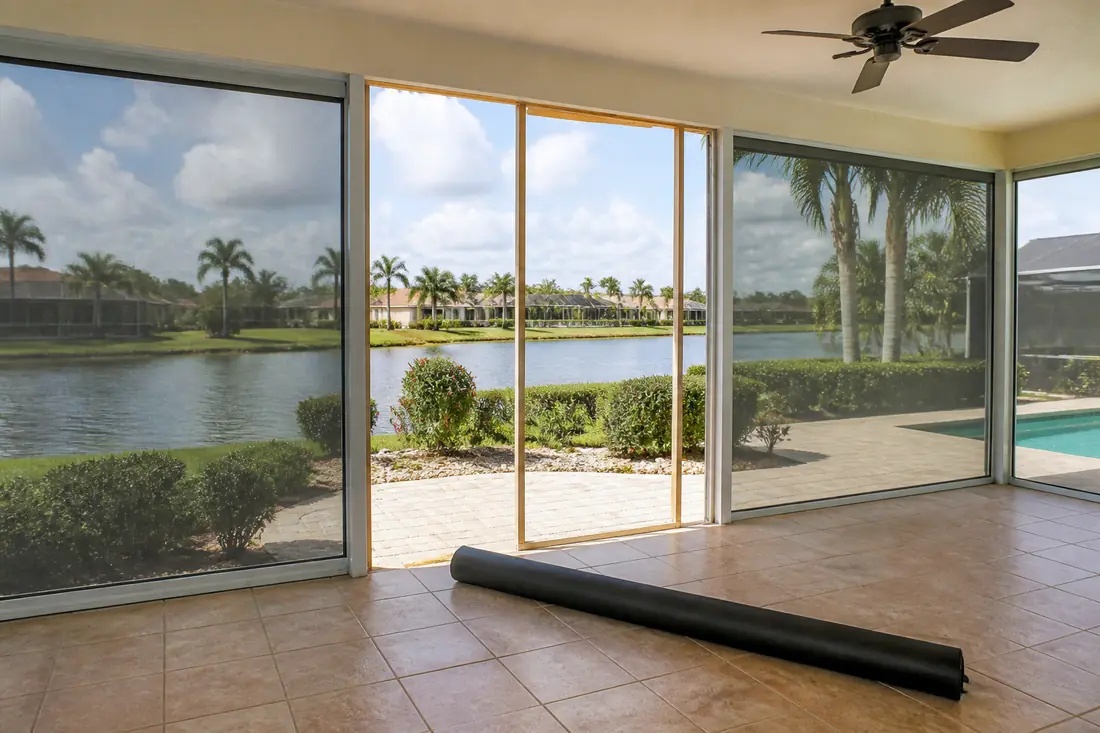
Screen has a service life and it ends gradually. Sun degrades the mesh, it loses tension, and it starts to fail at the spline before it fails in the middle of the panel. A lanai that has begun to look slack is usually a season or two from tearing.
Whether to rescreen one bay or the lot is a straightforward calculation. A single storm-damaged panel is a single panel. Where mesh has aged uniformly, replacing everything at once costs less per bay and avoids an elevation that reads as patched, because new mesh beside old is visibly different even in the same specification.
The Florida Building Code allows enclosures to be designed so the mesh releases under load before the structure is overwhelmed, though the frame is still checked against code wind pressures with every panel in place. Once the screen releases, wind passes through the frame instead of pushing against it, and the cage that remains is carrying a fraction of the load it would otherwise see.
So a cage standing with its panels gone is usually the design working, not the design failing. What it does mean is that the frame took load during the event. Fasteners, brackets and anchor points are worth checking before new screen goes back on, because a frame that has been worked loose is not obvious from the deck and it will not be visible again once the bays are covered.
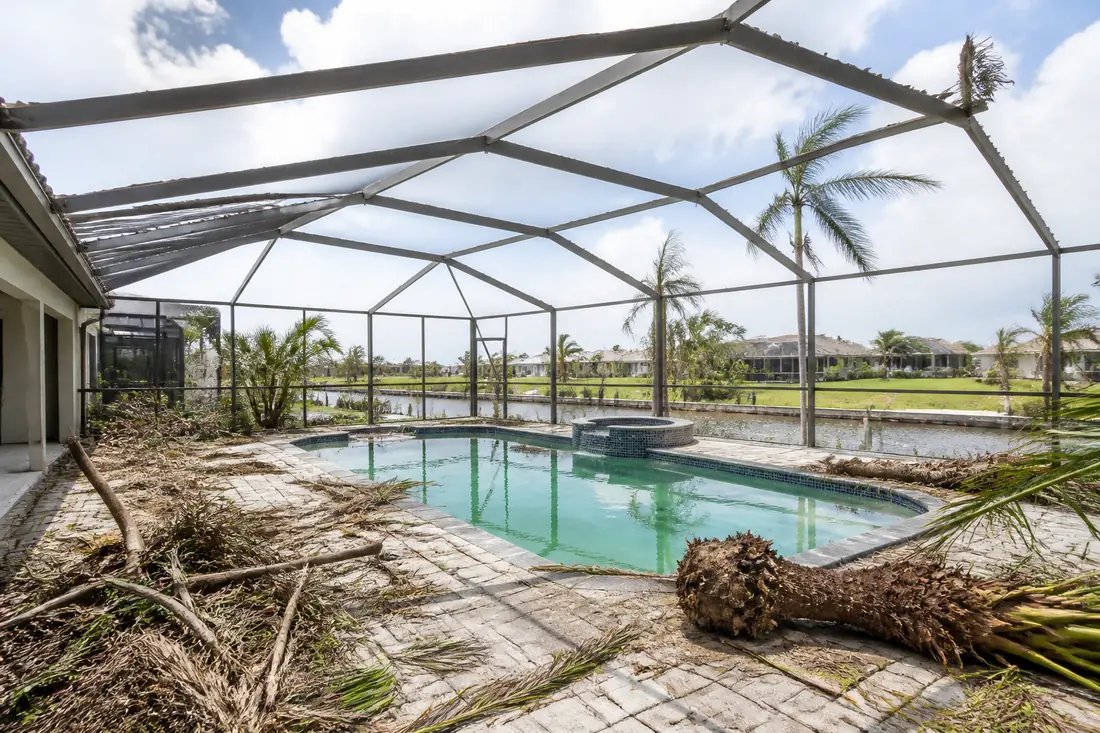
Repairs to screen, frame and hardware on pool enclosures, from a single torn bay to a structure that has begun to move.
Repairs to screen, frame and hardware on pool enclosures, from a single torn bay to a structure that has begun to move.
Full and partial rescreening of pool enclosures, including the high bays that need proper access.
Replacing failed screen panels on covered lanais, singly or across the whole structure.
Replacing failed screen panels on covered lanais, singly or across the whole structure.
Putting screening back after a storm, and checking the frame that held while the mesh went.
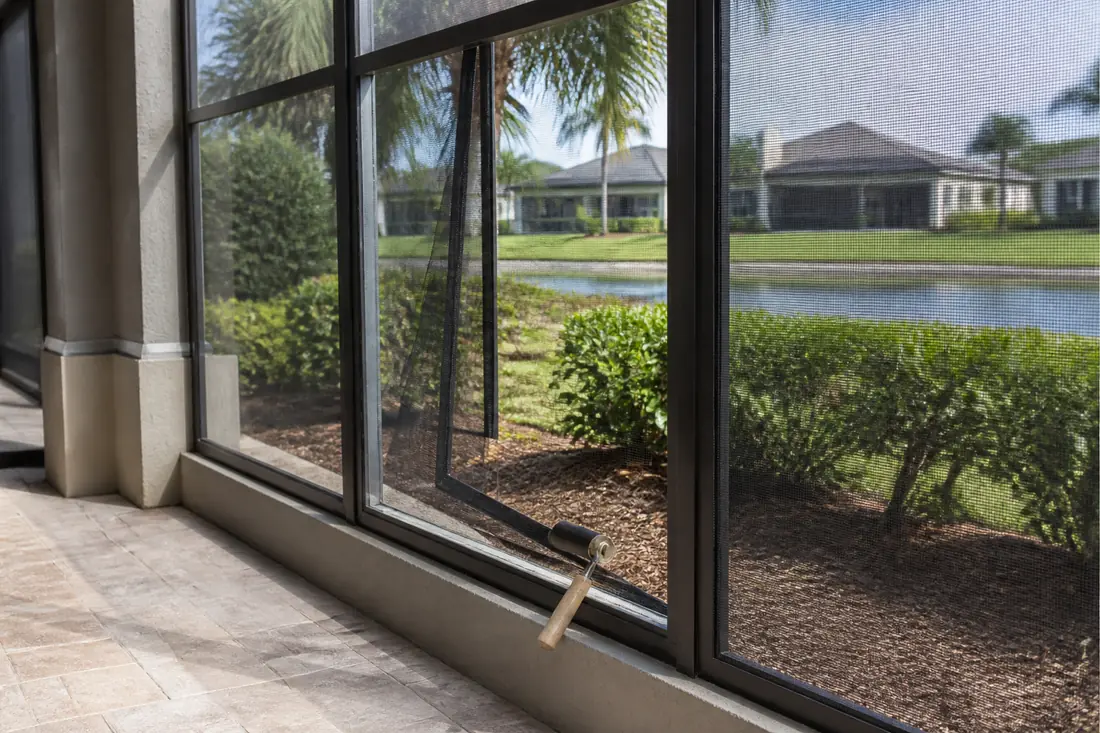
Single-panel work where one bay has failed and the rest of the structure is sound.
Replacing damaged or corroded aluminum members without rebuilding the whole structure.
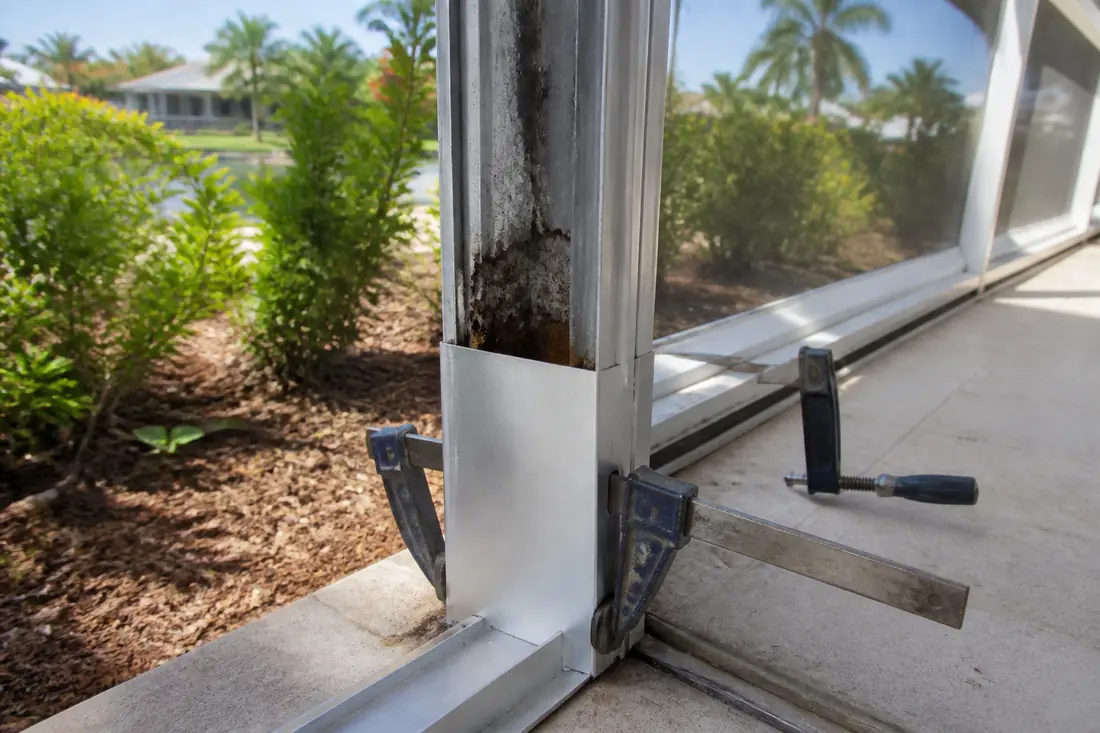
Replacing damaged or corroded aluminum members without rebuilding the whole structure.
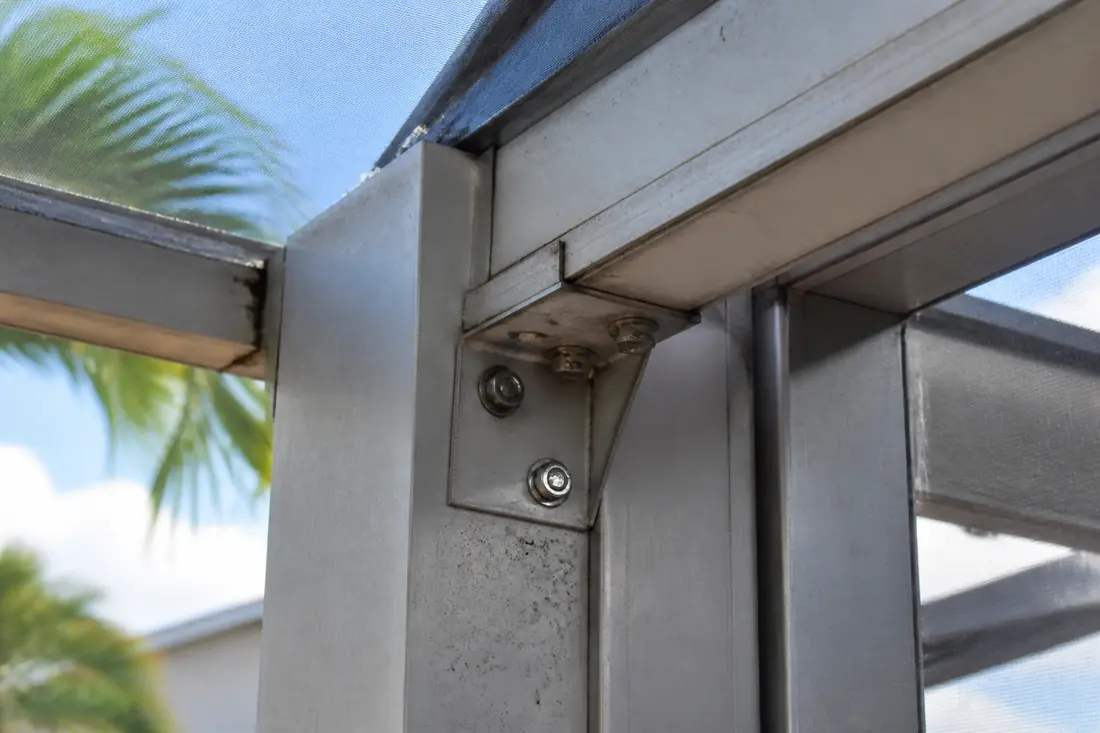
Corroded screws, failed brackets and loose connections in an otherwise sound frame.
Finer mesh for the insects standard screening does not stop, common near water and mangrove.
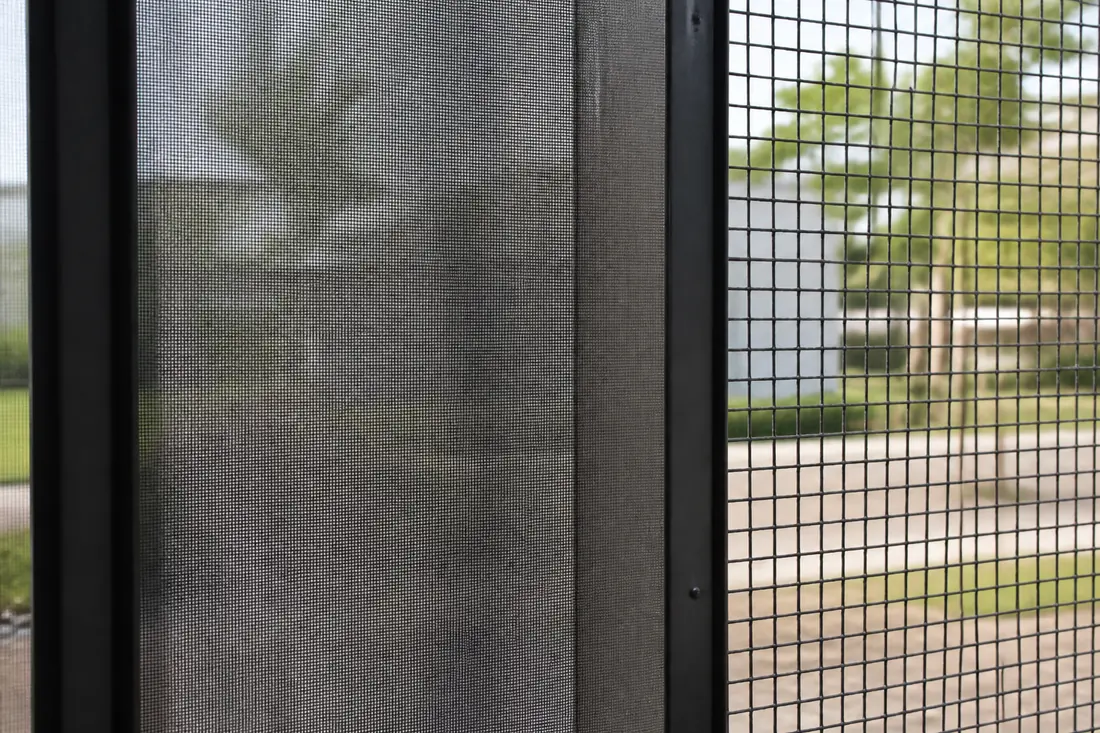
Finer mesh for the insects standard screening does not stop, common near water and mangrove.
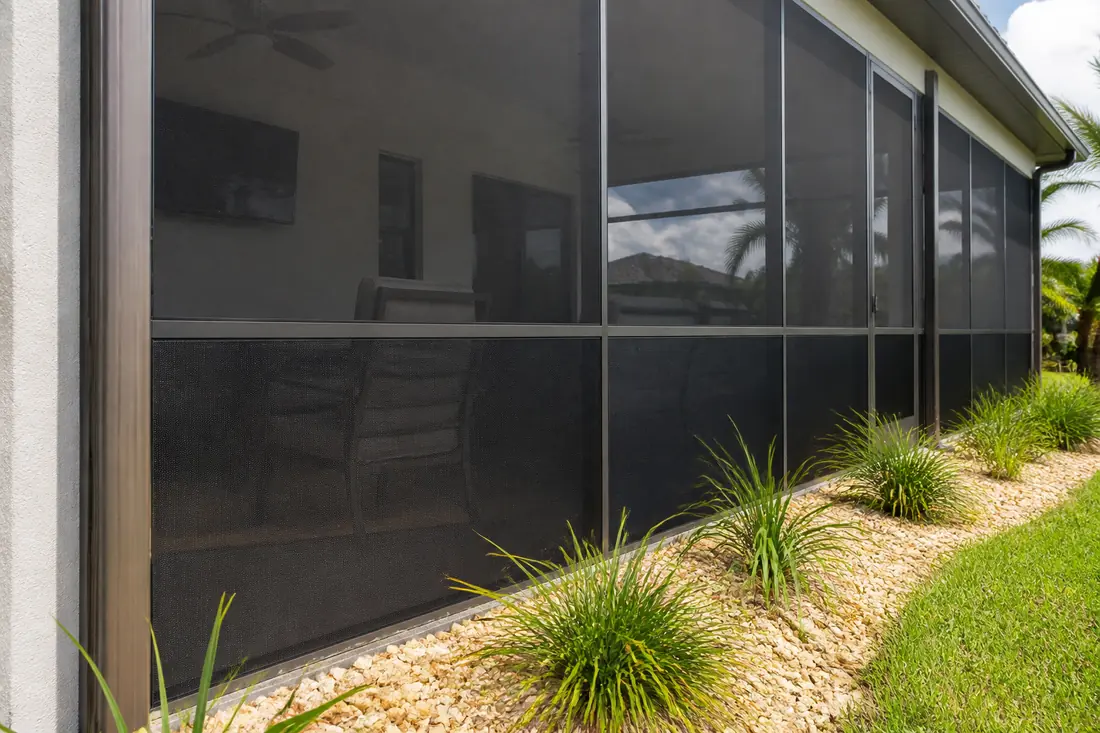
Heavier mesh for the lower bays and doors where dogs and cats push through standard screen.
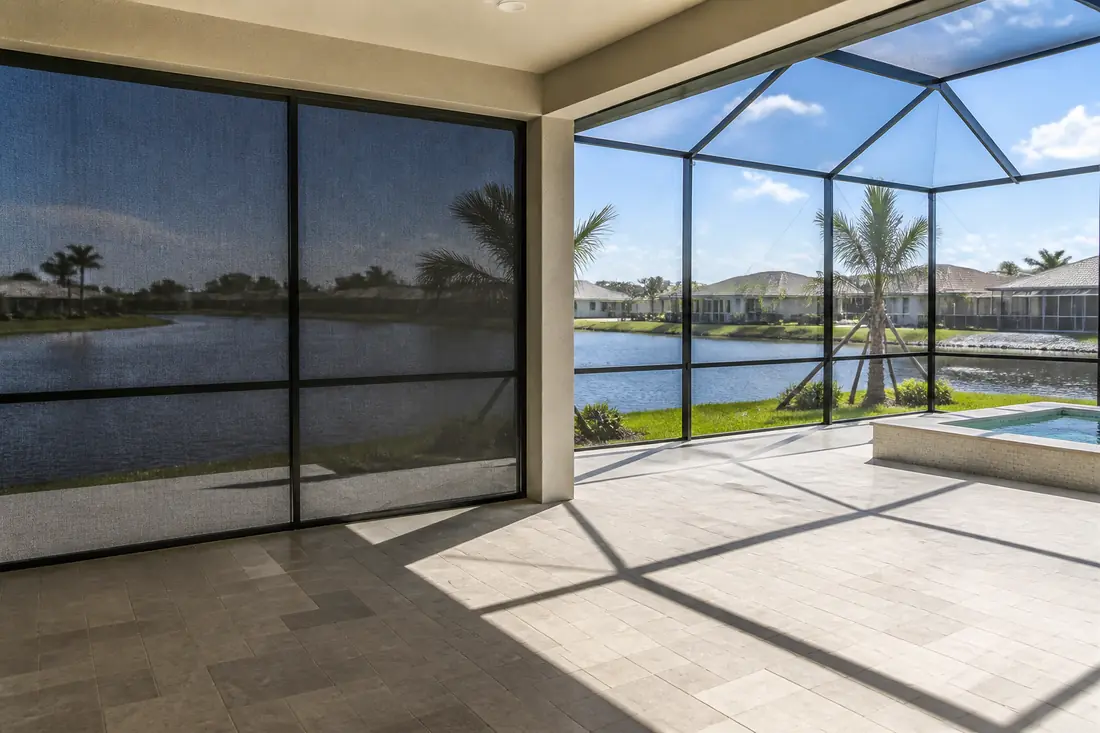
Denser weaves that cut heat and sightlines on the exposed side of a lanai or cage.
New sliding screen doors for lanai and patio openings, built to the opening rather than trimmed to fit it.
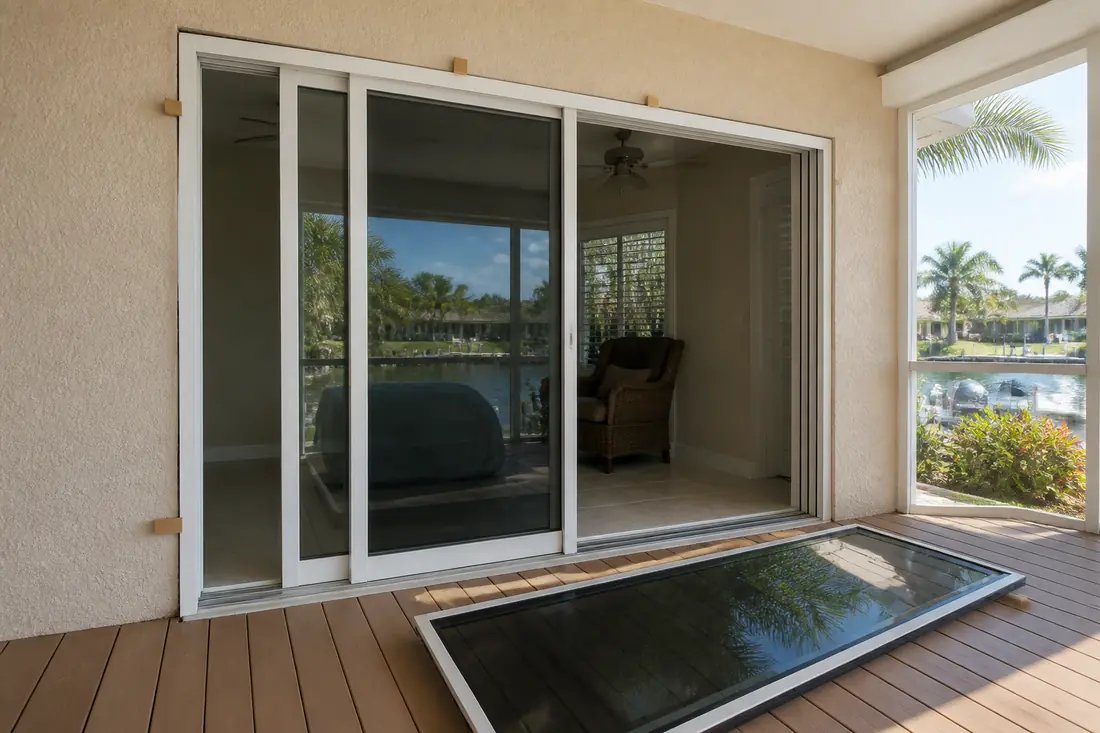
New sliding screen doors for lanai and patio openings, built to the opening rather than trimmed to fit it.
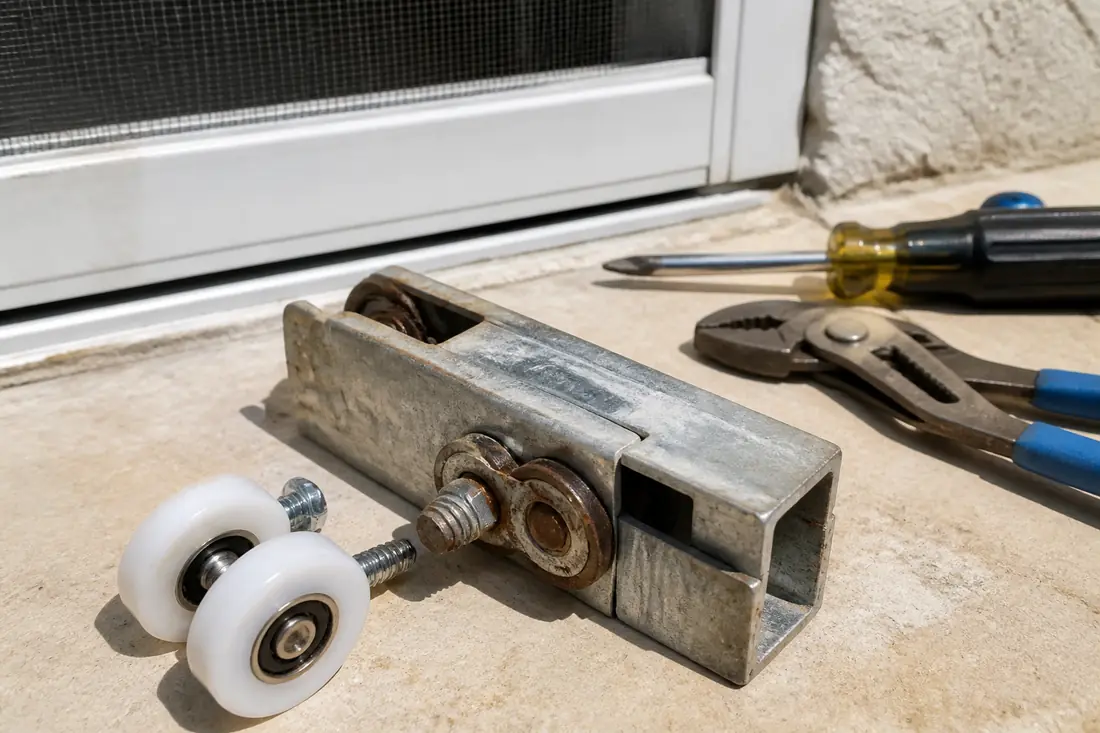
Rollers, tracks, handles, latches and closers on sliding and hinged screen doors.
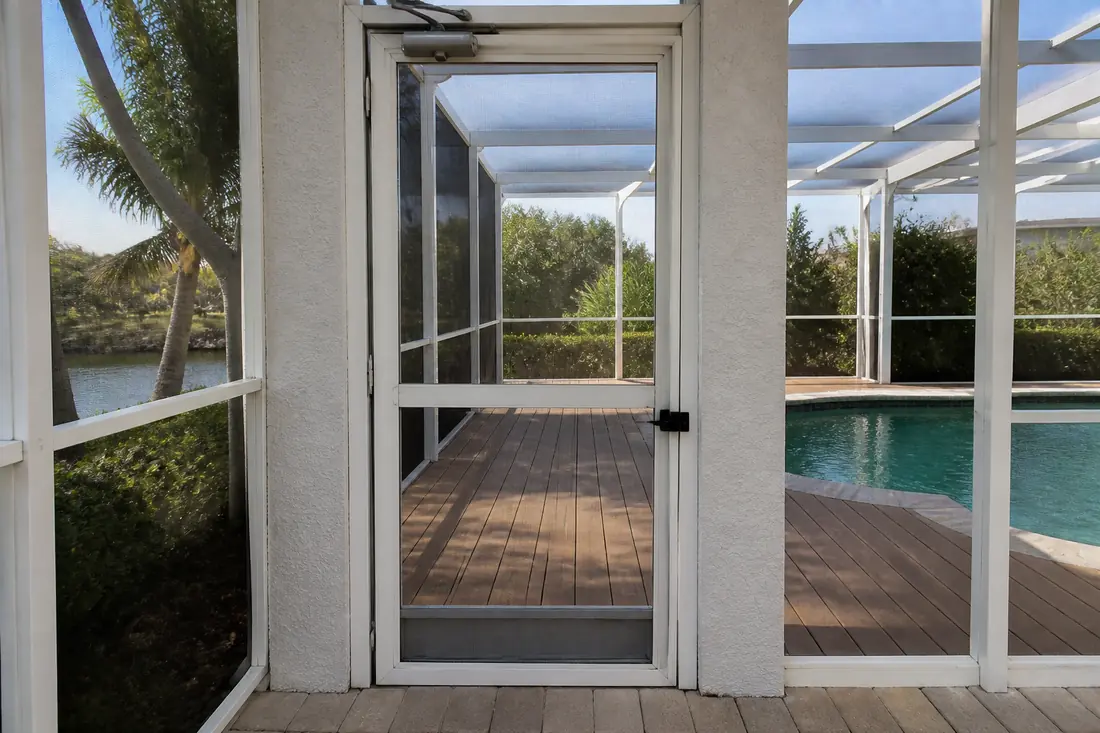
Hinged and swing screen doors for enclosure walkways, pool decks and side entries.
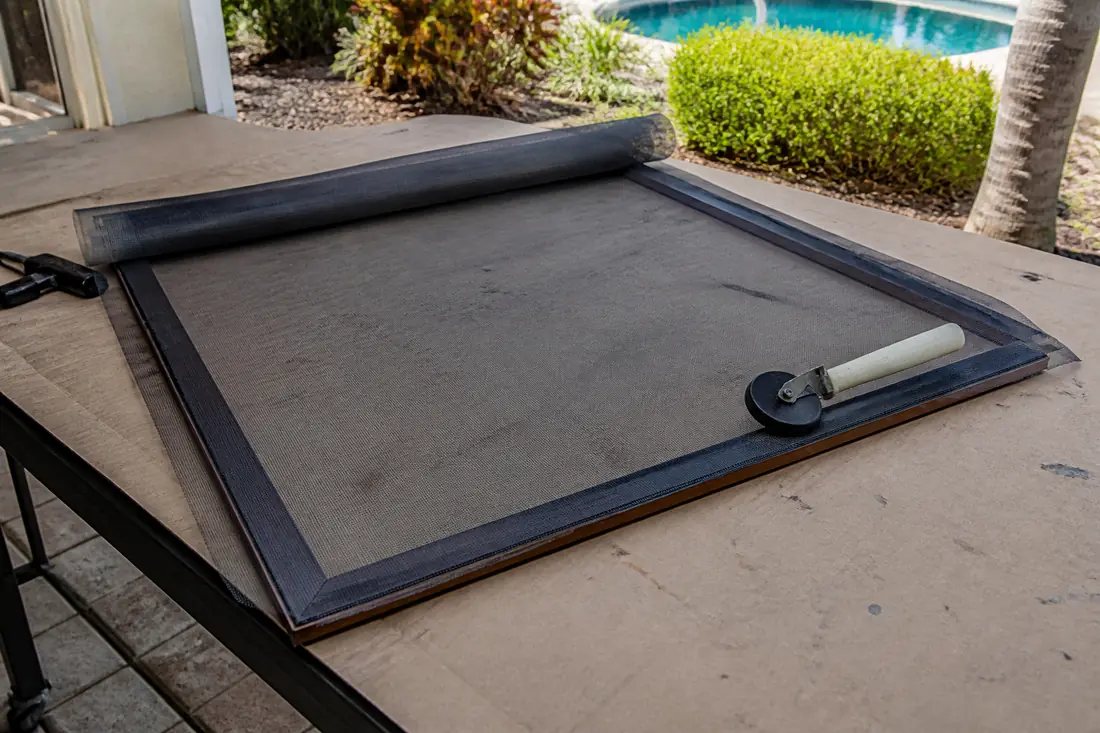
Rescreening and reframing window screens, including sun-damaged and storm-damaged frames.
Screening and door work for condominium associations, rentals and hospitality properties.
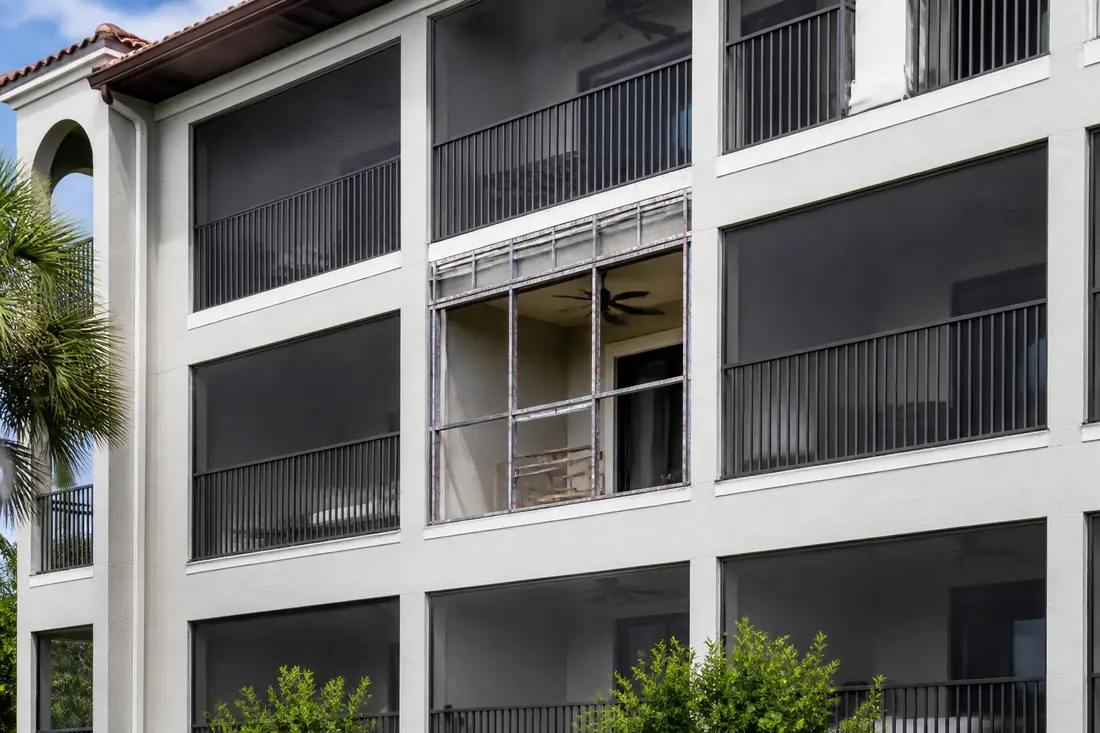
Screening and door work for condominium associations, rentals and hospitality properties.
Every service we offer, and what the work actually looks like.
Your request is read and sorted by urgency rather than dropping into a queue. Marking the job urgent on the form changes how quickly it gets looked at.
Work of this kind is assessed in person rather than quoted from a phone description, so the scope and the price are both settled before anything starts.
You see the options and the cost before any work starts, and a cheaper repair that genuinely solves the problem should be presented alongside the bigger one.
Removed material is hauled away and the site left clean. Cleanup belongs in the job rather than being an extra you have to ask for.
Florida's pool chapter has exactly one electrical section. What R4501.16 settles about GFCI on a pump or a cage light, and why the rest sits in a standard the code names but does not print.
Read the guide →Enclosing a screened lanai in Collier County means declaring a sunroom category on the permit. Categories I to V, who picks it, and what each one commits you to.
Read the guide →In a V zone the space under an elevated house may be screened rather than walled. In an A zone, screens are allowed on flood openings. What 44 CFR 60.3 says about a lanai.
Read the guide →10 cities and the communities around them. Not sure if you are covered? Call and ask — we will tell you straight.
Old Naples · Park Shore · Moorings · Coquina Sands
34102, 34103, 34104, 34105
Pelican Bay · Vineyards · Pelican Marsh
34108, 34109, 34110, 34119
Lely · Bayshore · Kings Lake
34112, 34113
Old Marco · Tigertail · Hideaway Beach
34145
Golden Gate City · Golden Gate Estates
34116, 34117, 34120
Little Hickory · Bonita Shores
34134
Immokalee · Lake Trafford
34142
Del Webb · Maple Ridge
34142
Everglades City · Chokoloskee · Plantation Island
34139
Naples Park · Vanderbilt Beach
34108
Whichever the door needs. If the frame is straight and the track and rollers are sound, rescreening the existing door lasts and costs considerably less. Once the frame has racked, replacement is the more economical answer over a few seasons.
It depends on exposure more than on age. Mesh on a west-facing or fully exposed elevation degrades faster than mesh on a sheltered one, so the same structure frequently needs its bays replaced at different times.
In specification, usually. In appearance, new mesh beside aged mesh is visibly different whatever the specification, which is why partial work is often planned so the change falls at a corner rather than in the middle of an elevation.
Rescreening an existing structure and replacing a door are generally maintenance rather than construction, while rebuilding or altering an enclosure is a different matter. Requirements are set by the authority having jurisdiction for your property, so it is worth confirming before work that changes the structure.
Collier County — Naples, North Naples, East Naples, Marco Island, Golden Gate, Naples Park, Bonita Shores, Immokalee, Ave Maria and Everglades City.
Call (239) 451-5433 or request a callback — whichever is easier.